

activeloopai/Hub
https://github.com/activeloopai/Hub 這個 project 主要是要解決 是再說 一般處理ml/ai 的時候建模比較少,大多是在做資料的預處理所衍生出來的專案,裡面有簡單example https://debomastet335.medium.com/exploring-hub-activeloop-a-tale-of-uploading-pokemon-data-568b0028f7b3
最簡單可以看到這個專案可以透過幾行程式碼 去載入 tensorflow 或 pytorch
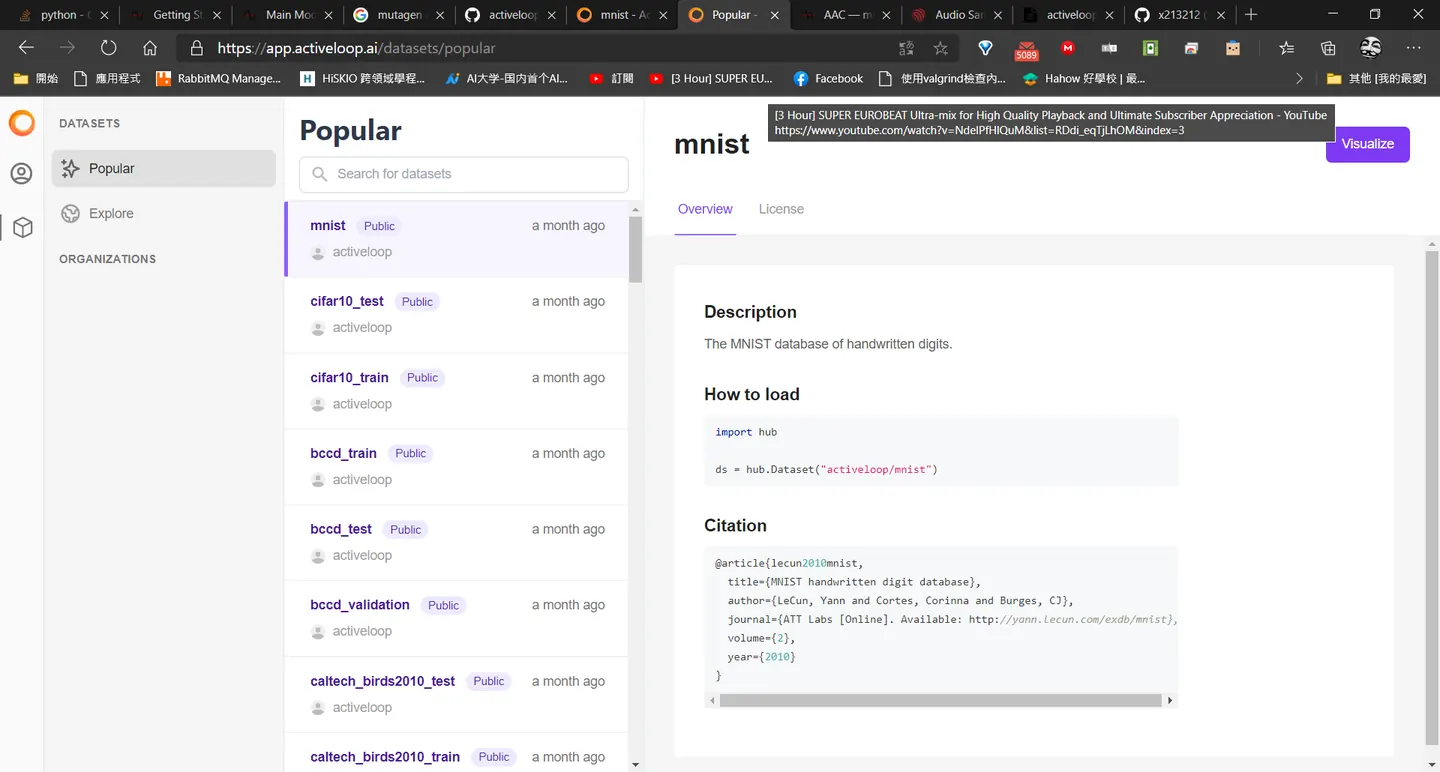
https://app.activeloop.ai/datasets/popular/?utm_source=github&utm_medium=repo&utm_campaign=readme
數據可以視覺化檢視數據
https://app.activeloop.ai/dataset/activeloop/mnist
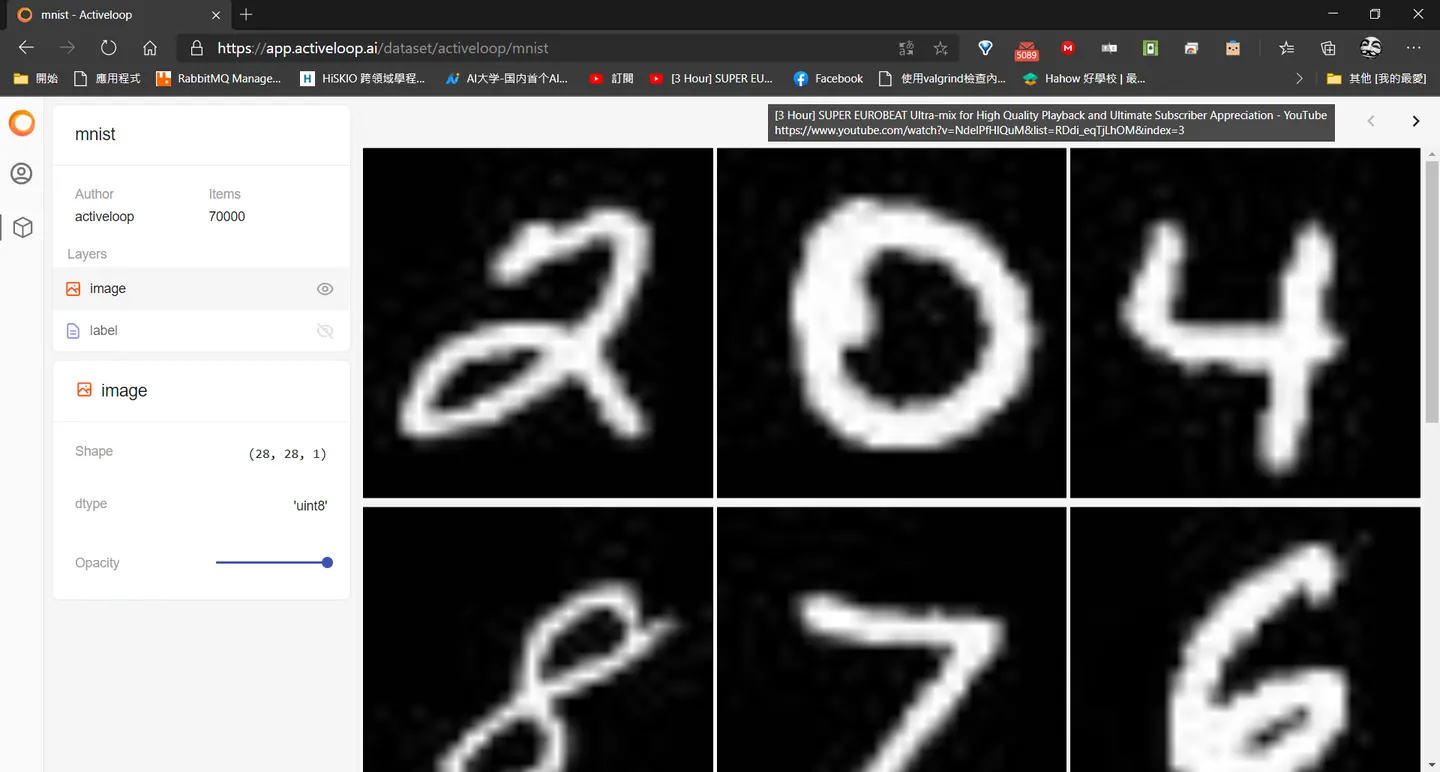
也提供類似儲存庫的方式共享數據
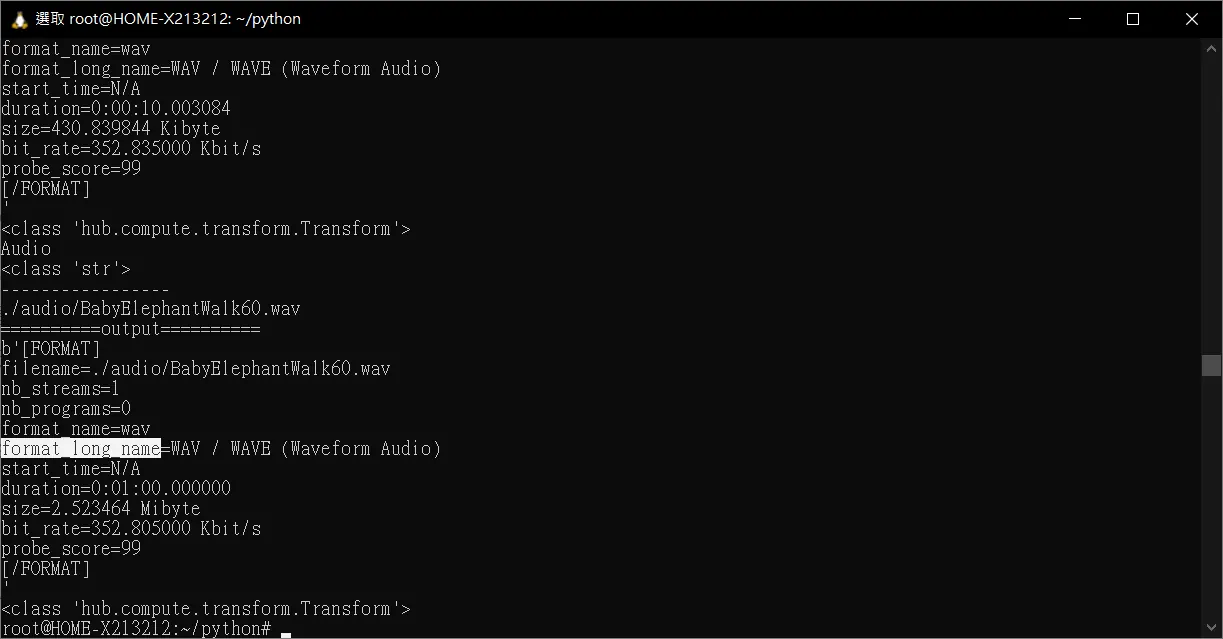
在其中一個issue https://github.com/activeloopai/Hub/issues/427 嚴格控管安全性方面我覺得是可以透過這個方法去檢查 video or audio data format https://gist.github.com/x213212/38f998c51e4ddd19309ef9a881c400e2
typer checker
need install ffmpeg pip install FFmpeg
can use mutagen or ffprobe check data format
https://mutagen.readthedocs.io/en/latest/user/gettingstarted.html https://stackoverflow.com/questions/53144494/get-duration-from-multiple-video-files
so possible add type checker in there
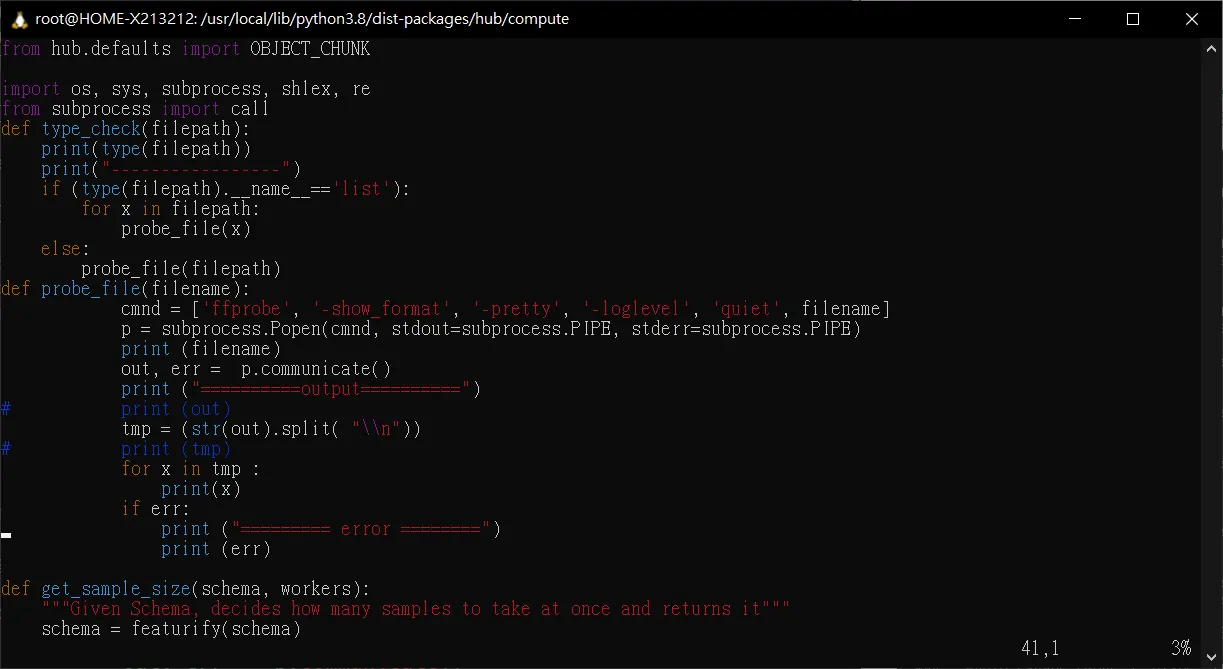
import os, sys, subprocess, shlex, re
from subprocess import call
def type_check(filepath):
    print(type(filepath))
    print("-----------------")
    if (type(filepath).__name__=='list'):
        for x in filepath:
            probe_file(x)
    else:
        probe_file(filepath)
def probe_file(filename):
            cmnd = ['ffprobe', '-show_format', '-pretty', '-loglevel', 'quiet', filename]
            p = subprocess.Popen(cmnd, stdout=subprocess.PIPE, stderr=subprocess.PIPE)
            print (filename)
            out, err =  p.communicate()
            print ("==========output==========")
#           print (out)
            tmp = (str(out).split( "\\n"))
#           print (tmp)
            for x in tmp :
                print(x)
            if err:
                print ("========= error ========")
                print (err)
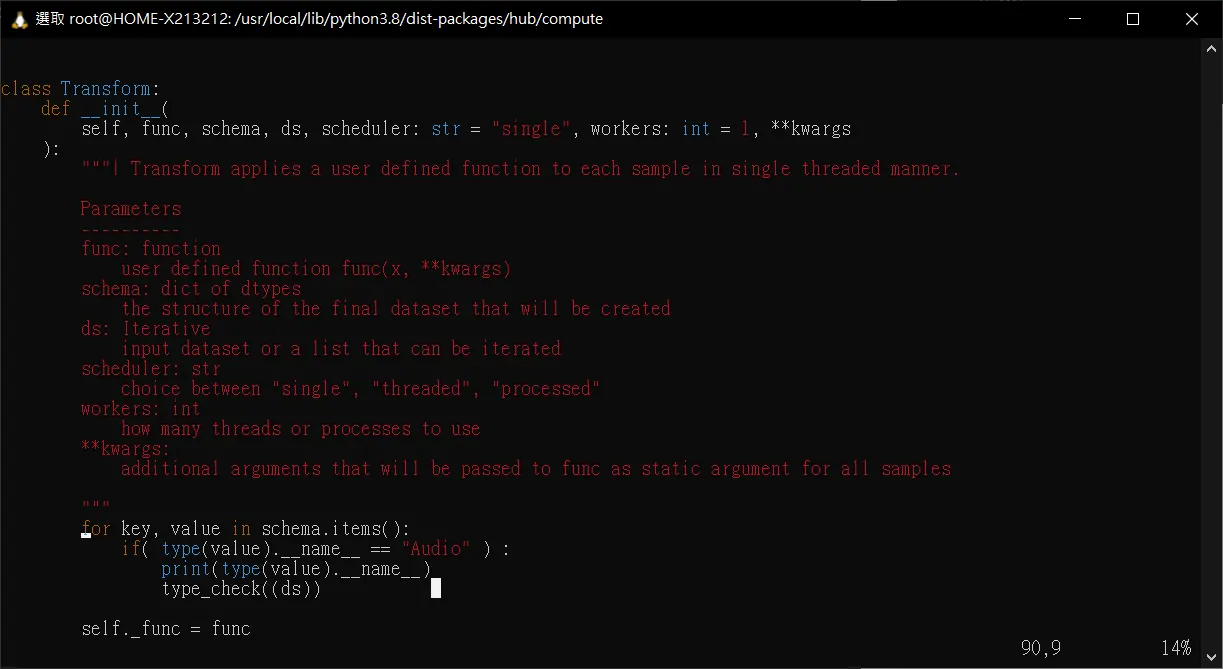
        for key, value in schema.items():
            if( type(value).__name__ == "Audio" ) :
                print(type(value).__name__)
                type_check((ds))
we can get true data format infomation
Comments