
上一次我們講到安裝Golang那麼今天我們來看如何架設一個跟網頁溝通的伺服器
Setting
---
go get -u github.com/gorilla/mux
安裝套件的過程它不會講話xd,套一句老師說的沒消息就是好消息 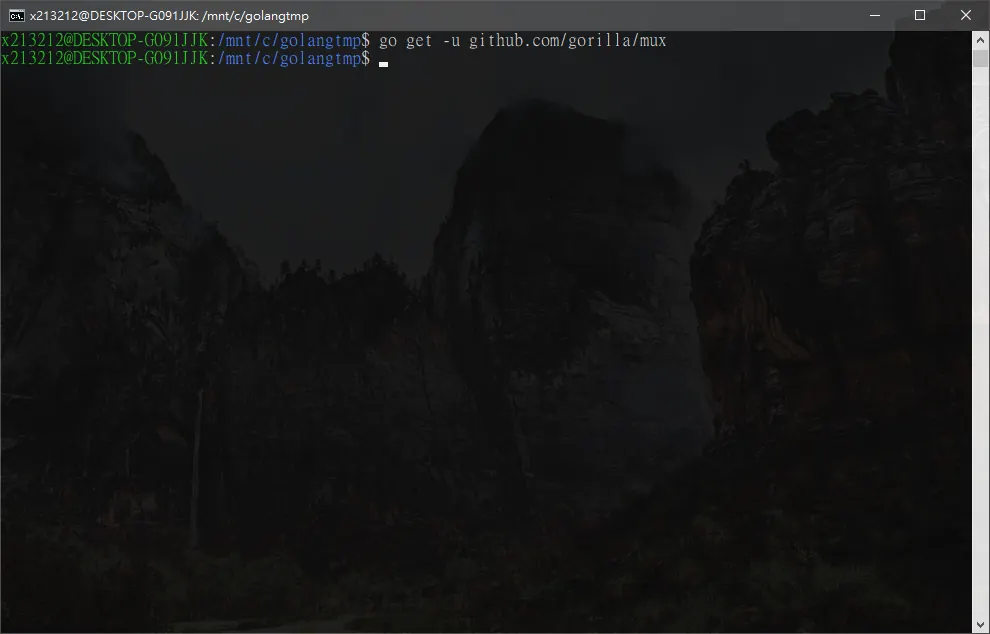
放置檔案路徑,沒什麼難度,放到資料夾而已。
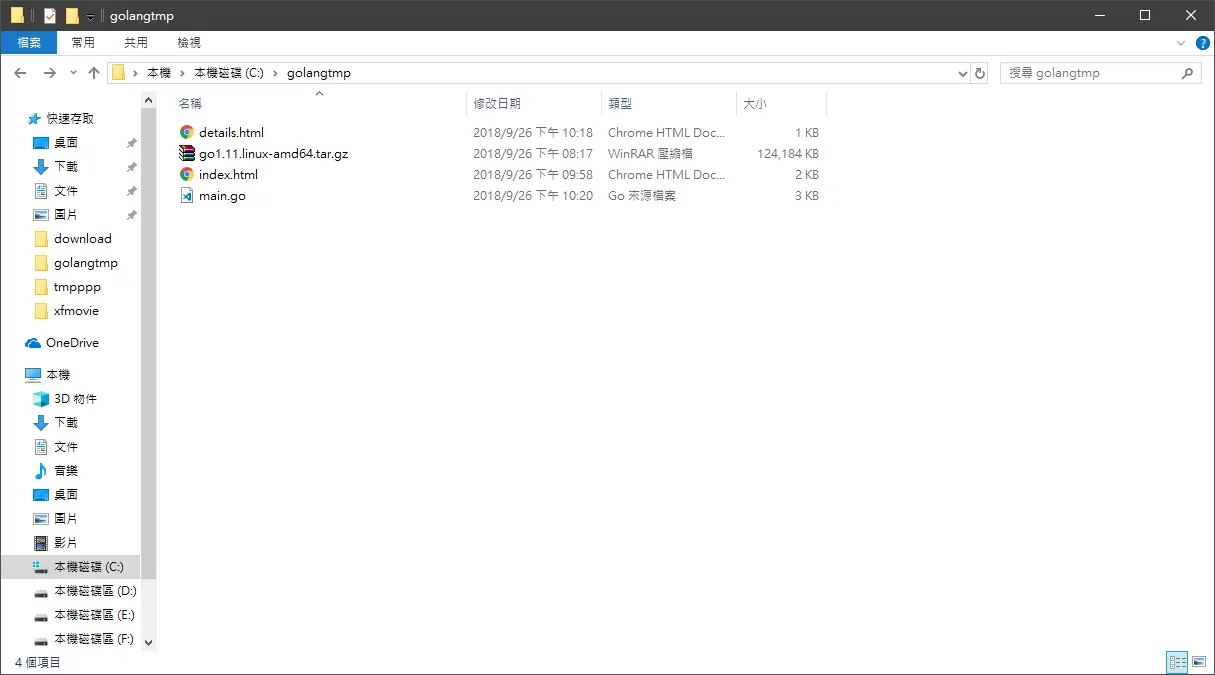
上述相關文件安裝完後,沒想到的是,只要設定好route,仔細看整組搬過來就可以了這是比較正規的作法,當然網路上也有其他更暴力的方法(牛逼稍微進行一下小改裝 Go语言实现简单的一个静态WEB服务器
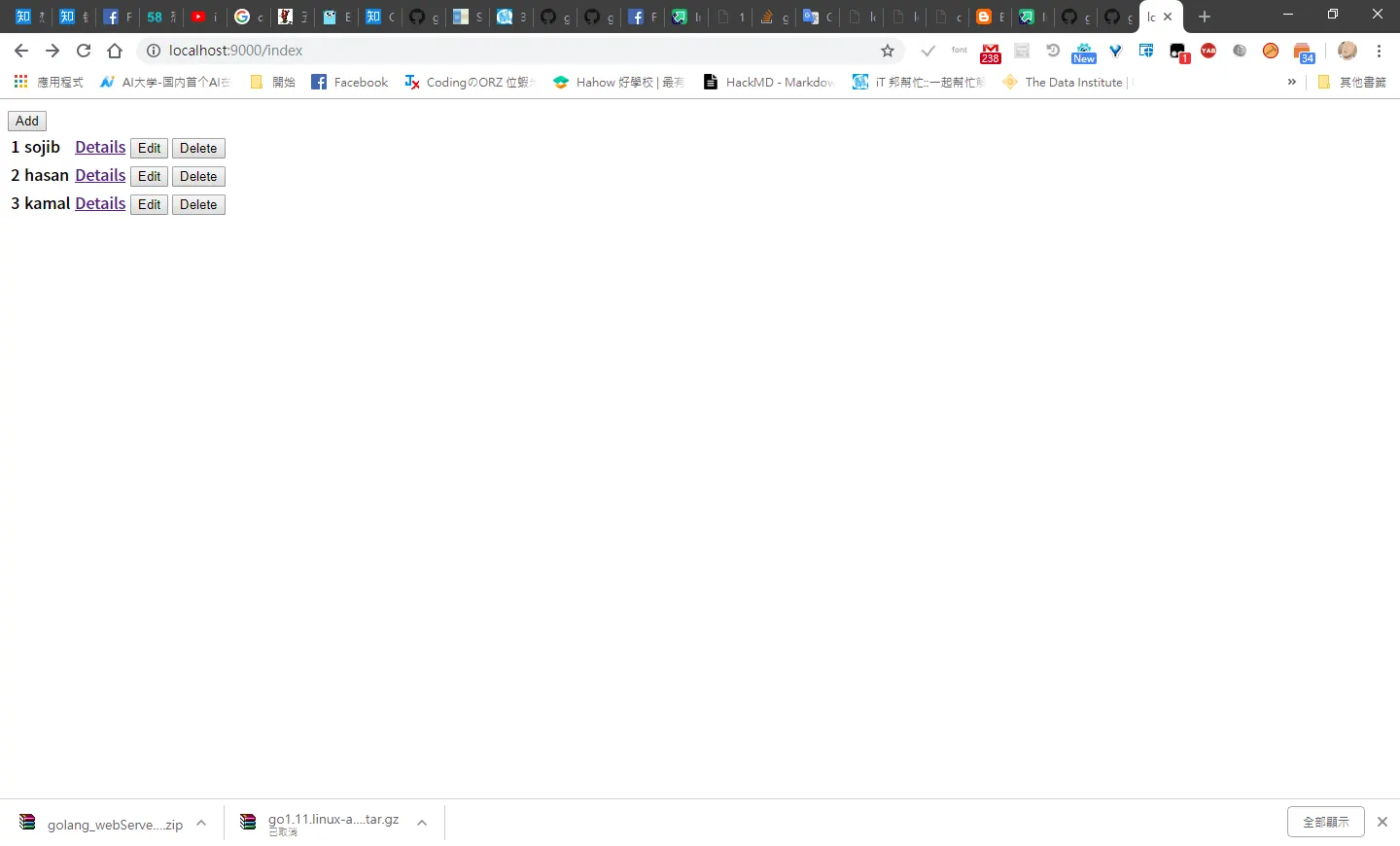
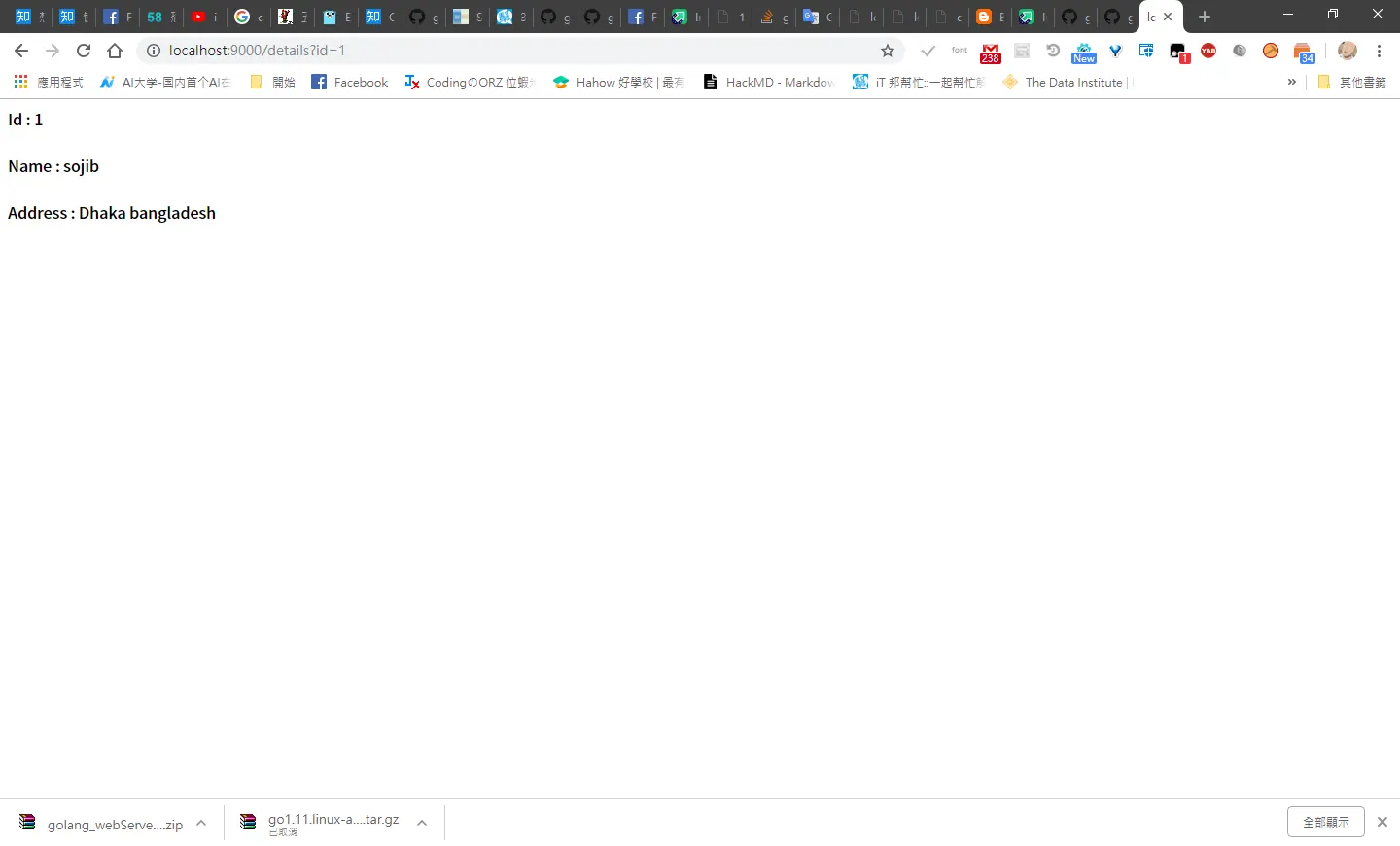
details.html
<!DOCTYPE html>
<html>
    <head>
        <script src="https://ajax.googleapis.com/ajax/libs/jquery/3.1.1/jquery.min.js"></script>
        <script type="text/javascript" language="javascript">
            $(document).ready(function () {
                var id = getParameterByName('id');
                $.getJSON("http://localhost:9000/people/"+id, function (data) {
                    console.debug(data);
                    $('#city').html(data["address"].city);
                    $('#country').html(data["address"].country);
                    $('#id').html(data.id);
                    $('#name').html(data.name);
                });
            });
            function getParameterByName(name) {
                var match = RegExp('[?&]' + name + '=([^&]*)').exec(window.location.search);
                return match && decodeURIComponent(match[1].replace(/\+/g, ' '));
            }
        </script>
    </head>
    <body>
        Id : <span id="id"></span><br><br>
        Name : <span id="name"></span><br><br>
        Address : <span id="city"> , </span> <span id="country"></span>
    </body>
</html>
index.html
<!DOCTYPE html>
<html>
    <head>
        <script src="https://ajax.googleapis.com/ajax/libs/jquery/3.1.1/jquery.min.js"></script>
        <script type="text/javascript" language="javascript">
            $(document).ready(function () {
                var success = false;
                $.getJSON('http://localhost:9000/people', function (schoolData) {
                    var tr;
                    success = true;
                    for (var i = 0; i < schoolData.length; i++) {
                        tr = $('<tr/>');
                        tr.append("<td>" + schoolData[i].id + "</td>");
                        tr.append("<td>" + schoolData[i].name + "</td>");
                        tr.append("<td><a href='details?id="+ schoolData[i].id +"'>Details</a></td>");
                        tr.append('<td><button type="button" class="btn btn-success">Edit</button></td>');
                        tr.append('<td><button type="button" class="btn btn-success">Delete</button></td>');
                        $('table').append(tr);
                    }
                });
                setTimeout(function() {
                if (!success)
                {
                // Handle error accordingly
                alert("Server Not Found"); // string was "Houston, we have a problem."
                }
            }, 1000);
            });
        </script>
    </head>
    <body>
        <button>Add</button>
        <table class="table">
        </table>
    </body>
</html>
main.go
package main

import (
    "fmt"
    "log"
    "net/http"
    "github.com/gorilla/mux"
    "encoding/json"
)

var people []Person

type Person struct {
    ID string `json:"id,omitempty"`
    Name string `json:"name,omitempty"`
    Address *Address `json:"address,omitempty"`
}

type Address struct {
    Country string `json:"country,omitempty"`
    City string `json:"city,omitempty"`
}

func DefaultHandler(w http.ResponseWriter, r *http.Request)  {
    fmt.Fprint(w, "Home")
    fmt.Fprint(w, "Home")
    fmt.Fprint(w, "Home")

}


func PeopleHandler(w http.ResponseWriter, r *http.Request){

    w.Header().Set("Access-Control-Allow-Origin", "*")
    json.NewEncoder(w).Encode(people)

}

func PersonHandler(w http.ResponseWriter, r *http.Request)  {
    w.Header().Set("Access-Control-Allow-Origin", "*")
     params := mux.Vars(r)
     for _,item := range people{
         if item.ID == params["id"]{
            json.NewEncoder(w).Encode(item)
         }
     }

}
func HttpFileHandler(response http.ResponseWriter, request *http.Request) {
    //fmt.Fprintf(w, "Hi from e %s!", r.URL.Path[1:])
    http.ServeFile(response, request, "index.html")
}
func HttpFileHandler2(response http.ResponseWriter, request *http.Request) {
    //fmt.Fprintf(w, "Hi from e %s!", r.URL.Path[1:])
    http.ServeFile(response, request, "details.html")
}

func main()  {
    route := mux.NewRouter()
    people = append(people, Person{ID : "1", Name : "sojib", Address : &Address{Country : "bangladesh", City : "Dhaka"}})
    people = append(people, Person{ID : "2", Name : "hasan", Address : &Address{Country : "china", City : "C"}})
    people = append(people, Person{ID : "3", Name : "kamal", Address : &Address{Country : "japan", City : "J"}})
    route.HandleFunc("/", DefaultHandler).Methods("Get")
    route.HandleFunc("/people", PeopleHandler).Methods("Get")
    route.HandleFunc("/people/{id}", PersonHandler).Methods("Get")
    route.HandleFunc("/index", HttpFileHandler)
    route.HandleFunc("/details", HttpFileHandler2)
    //route.Handle("/details", http.FileServer(http.Dir("/mnt/c/golangtmp")))
    log.Fatal(http.ListenAndServe(":9000", route))
}
後續
---
整組搬來用是不錯啦,這樣的話我們做處理的時候可以在golange做處理了 之前在python寫的交易系統,在前段時間呢看到了一個 影片 遺傳演算法最佳化高頻交易策略 沒錯很喜歡模擬的我們呢已經搭建好這框架了 至於資料庫呢,既然都是用新技術在做事了,學習一下用redis當作資料庫 讓我們速度起飛!
Comments